As Ramadan approaches, talk about dates treated with glucose syrup and preservatives like potassium sorbate heats up again. Many Indonesian health outlets discuss the traits of sweetener-added dates and how to spot them. As a facility that prioritizes quality transparency, we offer this educational guide—not to frighten, but so you can read labels accurately and choose as you wish. Note: this is not medical advice.
It is important to grasp from the outset that dates are naturally very sweet. Their natural sugar content is high, so quality dates need no added sugar to taste delicious. That is precisely where the problem lies: when dates are syrup-coated, the line between natural and artificial sweetness blurs for the average consumer. Knowing how to tell them apart means you do not pay a premium price for what is really a modified product.
Understanding Glucose Syrup and Potassium Sorbate
Glucose syrup is a liquid sweetener sometimes added to dates to make them look glossier, feel moister, and taste sweeter. Potassium sorbate is a preservative used to extend shelf life by inhibiting mold and yeast. Both are food additives permitted within limits, but their presence changes the product's profile—especially sugar content and naturalness.
The Most Accurate Way: Read the Ingredient List
The surest way to know whether additives are present is to read the ingredient list. If it states glucose syrup or potassium sorbate, the product does contain them. Pure natural dates ideally list a single ingredient: dates.
Also watch for added local-language label stickers placed over the original label. Some media reports found original labels listing glucose syrup while the added sticker only said dates. So, when possible, peek at the original label too. This label-reading habit aligns with food-labeling standards, which require composition to be stated honestly. Consumers who routinely read ingredient lists are far harder to mislead.
Reading the Ingredient List Carefully
Ingredient lists on food labels are generally ordered from the largest to the smallest quantity. So on pure dates, ideally only one word appears: dates. If you find an order like dates, glucose syrup, preservative, that signals a more complex composition. Also scrutinize pack claims: phrases like no added sweetener or no preservatives should be backed by a consistent ingredient list, not just a front-of-pack slogan.
Table: Natural vs Additive Dates
| Indicator | Natural Dates (No Additives) | Dates With Glucose Syrup |
|---|---|---|
| Ingredient list | Only: dates | Dates + glucose syrup (sometimes + preservative) |
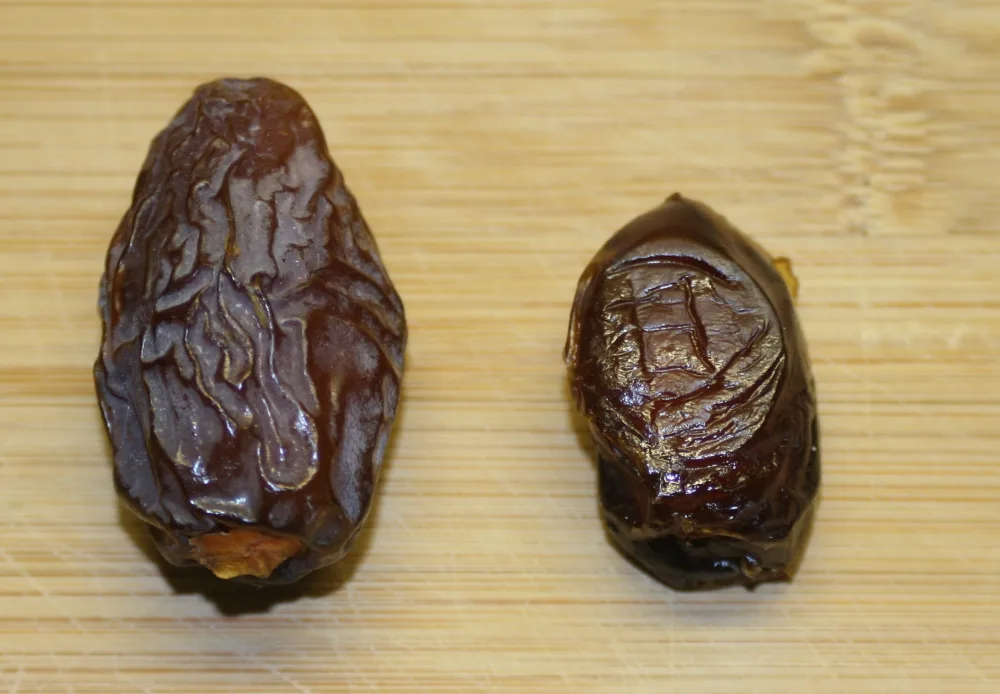
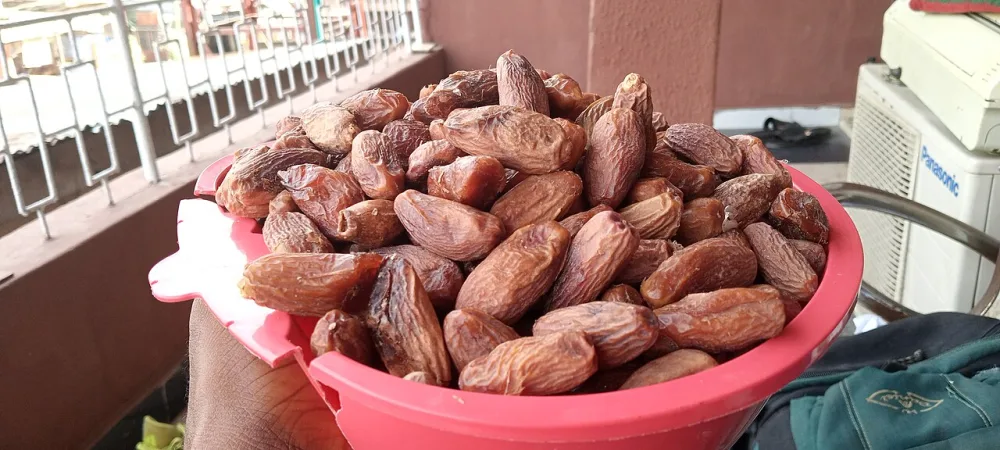
| Surface | Naturally slightly glossy, not overly wet | Very glossy and looks wet |
| Feel when handled | Reasonably sticky, no thick coating | Very sticky, leaves a sweet residue on fingers |
| Taste | Balanced, complex sweetness by variety | Strong sweetness that hits the tongue fast |
| Aftertaste | No excess sugar coating | Leaves a sticky sensation after chewing |
Observable Physical Signs
Besides the label, several physical signs are often linked to sugar-coated dates. According to health media, glucose-syrup dates tend to look glossier and wetter, feel stickier, and leave a sweet residue on fingers. In taste, the sweetness is stronger and more immediate, unlike natural dates whose sweetness is more layered and variety-specific. Remember, physical signs are indicative—reading the label remains the most reliable reference.
Are These Additives Harmful?
Educationally, listed food additives used within safe limits are generally permitted by food regulation. Consumer considerations are: first, sugar-added dates have higher sugar content, relevant for those monitoring sugar intake; second, in terms of naturalness and value, pure additive-free dates are usually more prized. The final decision is yours by need—and this is not medical advice. If you have a medical condition, consult a health professional.
Economics also plays a role. Adding sugar syrup can make cheap dates look more tempting, heavier, and longer-lasting, so they sell more easily at a higher price. For consumers, this means potentially paying more for added sugar, not for the date's own quality. Awareness of this motive helps you judge offers more critically, especially products that are very cheap yet unnaturally glossy.
Why Facility Standards Help
Dates from a transparent facility process usually state composition clearly and do not hide additives behind stickers. In our range, natural dates with no added sweetener are separated from others and given informative labels with variety, grade, and net weight—so buyers know exactly what they buy. Our authenticity guide also helps recognize quality dates. This approach is not only marketing but part of a duty to consumers: giving enough information so everyone can choose by their own needs and preferences.
Who Should Be More Mindful?
For most people, choosing pure or additive dates is a matter of taste preference and value. But some groups generally pay closer attention to added sugar, such as those monitoring daily sugar intake. For them, natural dates without glucose syrup are usually a better fit because the sugar comes entirely from the fruit, not additives. Again, this is educational; dietary decisions for specific health conditions are best discussed with a health professional. What is certain is that reading labels gives you full control over what you consume.
Practical Steps When Shopping
Whether in-store or online, apply these simple steps: first, read the ingredient list and ensure it lists only dates if you want pure ones; second, observe the physical look—avoid those that appear too wet and unnaturally glossy; third, compare prices reasonably, because very cheap with a flawless look warrants caution; fourth, choose sellers willing to explain composition and origin. With these habits, you become a buyer hard to fool.
Closing
Reading labels is the most valuable skill when buying dates. Start with the ingredient list, use physical signs as a complement, and favor sellers transparent about composition. That way you get the dates you expect—whether purely natural or chosen knowingly.