Dates: A Nutritious Sweet Snack
Dates have been part of Middle Eastern and Muslim diets for thousands of years. More than just a sweet fruit, dates hold a range of nutrients that make them a natural healthy snack. This article discusses the health and energy benefits of dates based on their nutritional profile, while emphasising the importance of wise consumption.
Dates' Nutritional Content
In general, dates are rich in:
- Natural carbohydrates (glucose and fructose) — a quick energy source.
- Dietary fibre — supports digestion and satiety.
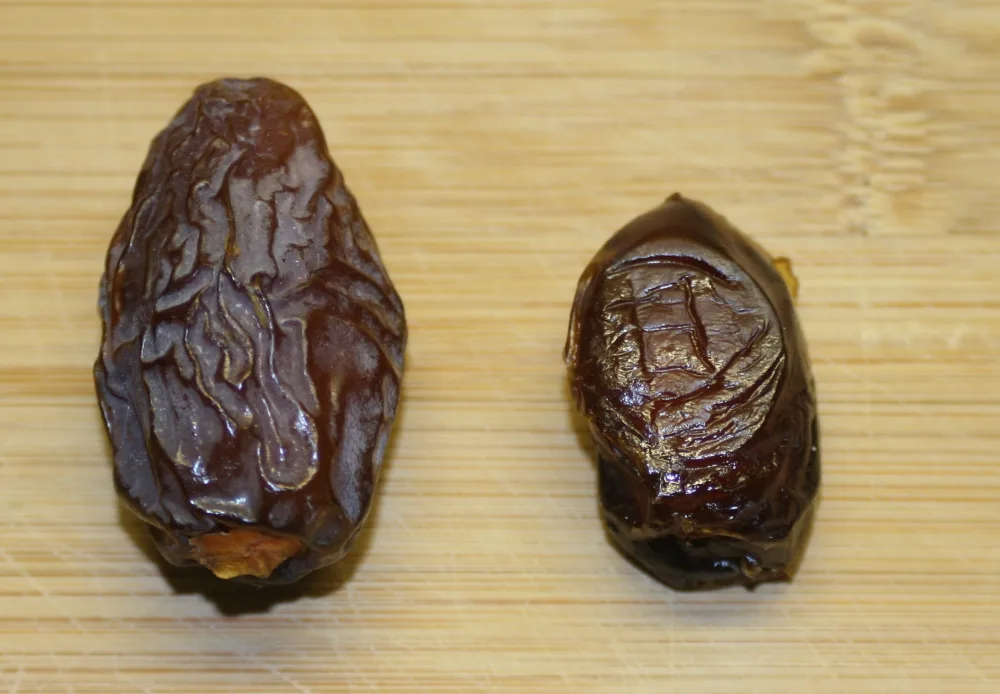
- Potassium — important for heart function and blood pressure. Medjool, for example, contains more potassium than a banana per ounce.
- Magnesium, iron and copper — minerals that support metabolism.
- Polyphenol antioxidants — such as flavonoids and phenolic acids, with Ajwa among the highest-antioxidant varieties.
Key Benefits of Dates
1. A Quick Energy Source
The natural sugar in dates provides instant energy, making them ideal for breaking the fast or before physical activity. This is why dates are a recommended iftar tradition.
2. Supporting Digestion
The fibre in dates helps smooth digestion and provides longer-lasting satiety, which can help control portion sizes.
3. Rich in Antioxidants
The polyphenols in dates help neutralise free radicals. Research shows Ajwa has a high phenolic content widely studied for its antioxidant capacity. This is presented as nutritional information, not a disease-cure claim.
4. A Relatively Controlled Glycemic Index
Although sweet, many date varieties have a relatively low to moderate glycemic index because their fibre slows glucose absorption. However, people with diabetes still need to consume measured portions and consult a medical professional.
Dates and the Tradition of Breaking the Fast
Beginning iftar with dates is a recommended practice in Islamic tradition. Beyond spiritual value, it makes nutritional sense: after a day of fasting, the body needs quickly absorbed natural sugar to restore energy before a large meal. Dates also help prevent overeating at iftar by providing early satiety.
How to Enjoy Dates Wisely
- Sensible portions: though healthy, dates are calorie- and sugar-dense. 3–7 dates per day is a common portion.
- Vary them: combine dates with nuts, yogurt or milk for a balanced snack.
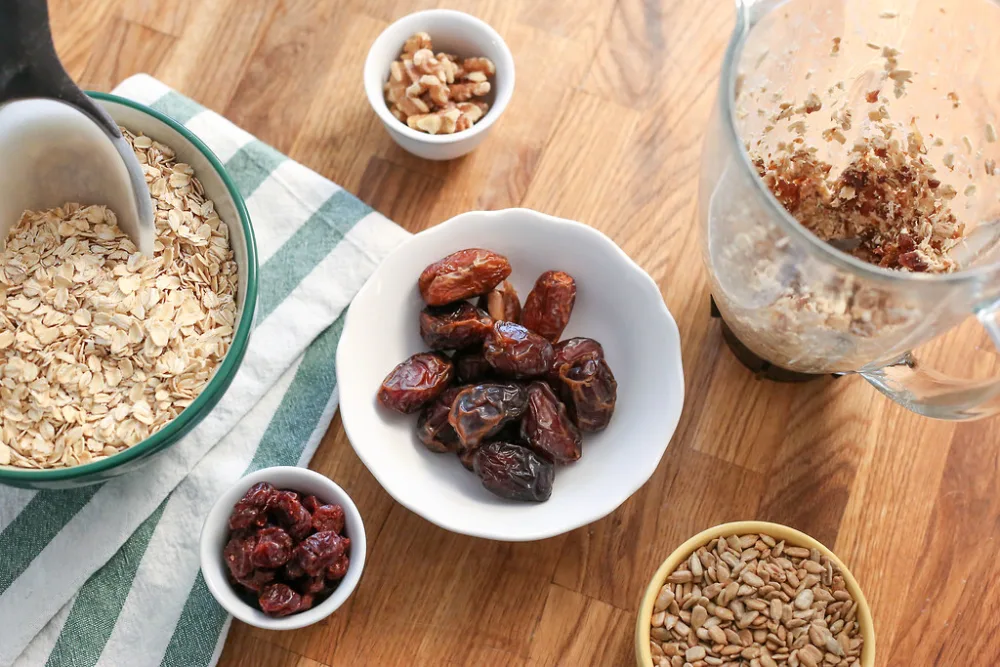
- Natural sweetener: use dates instead of sugar in smoothies, baking or energy balls.
- Mind medical conditions: for people with diabetes or those limiting calories, consult a nutritionist about portions.
Important Note
The information in this article is educational, based on the nutritional profile of dates, and is not a substitute for medical advice. For specific health conditions, always consult a doctor or nutritionist before changing your diet.
Conclusion
Dates are a nutritious sweet snack — rich in energy, fibre, potassium and antioxidants. With wise consumption, dates can be part of a healthy diet, especially for breaking the fast. Choose quality dates from a trusted source to get the best benefits and authenticity.